


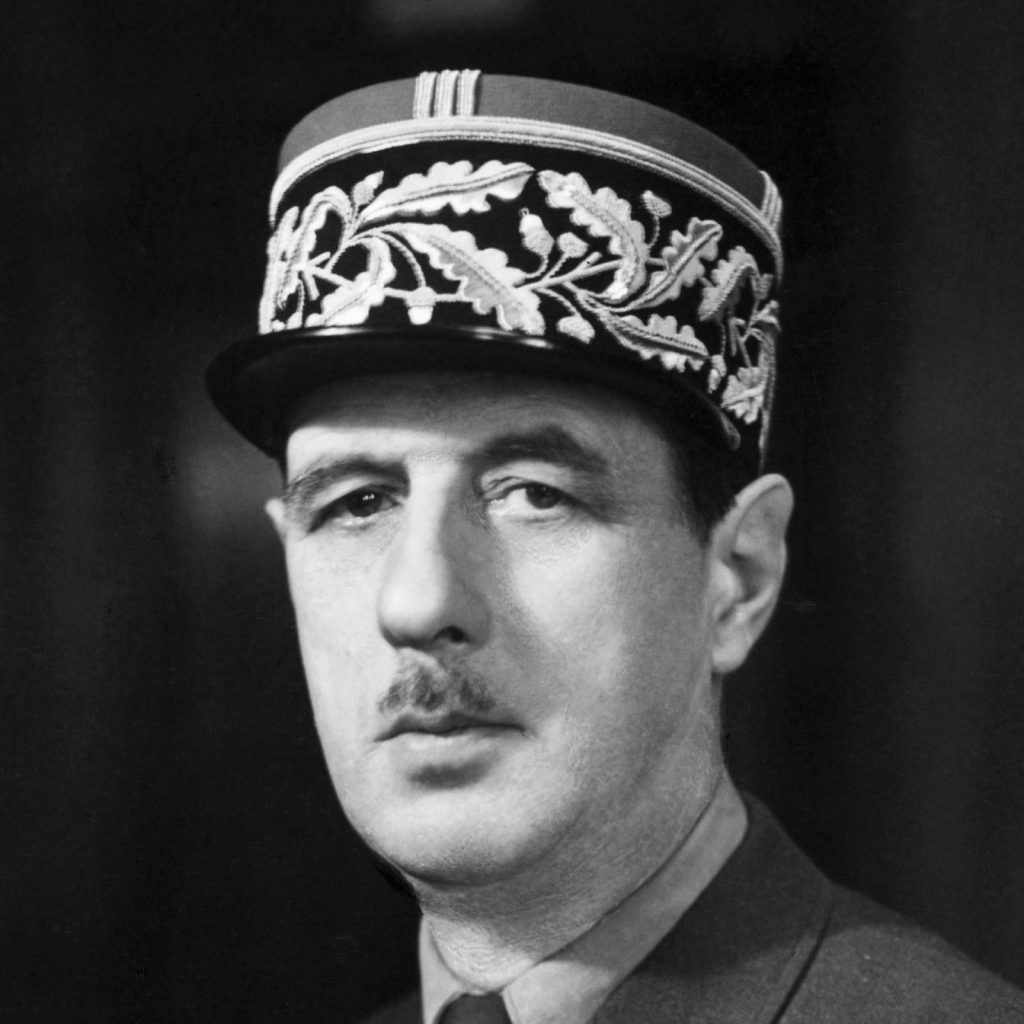
(Charles de Gaulle)
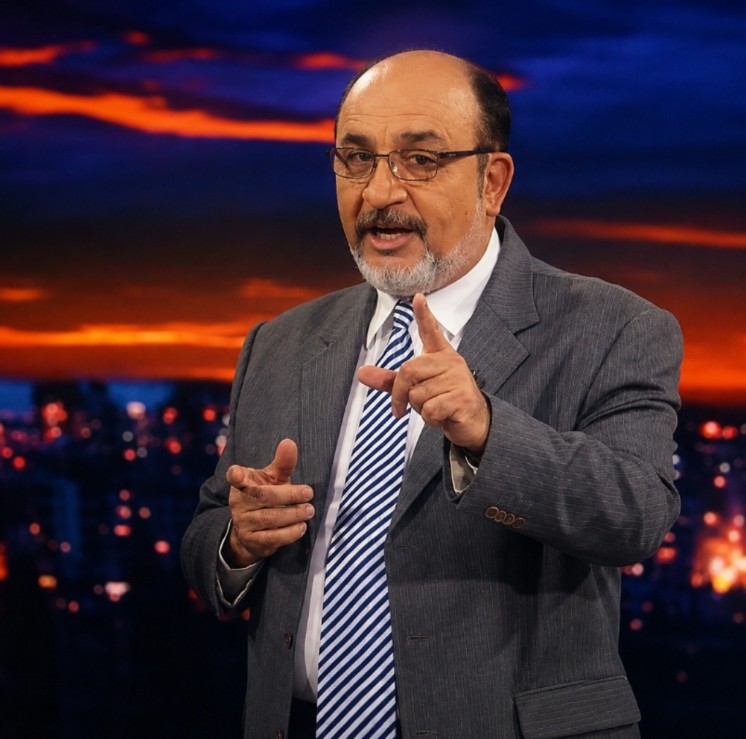
By: Slobodan Tomic
Tivat may never enter history books as the place where a historic agreement was signed. It will not be remembered as the city where all of the Balkans’ European dilemmas were resolved overnight. Yet it is entirely possible that historians will one day write that a new chapter in the relationship between the European Union and the Western Balkans began precisely there.
Not because of the ceremonial photographs.Not because of diplomatic formulas.Not because of official protocols.
But because, for the first time in many years, something was openly acknowledged that had long been absent from the discussion: the recognition that the current model of European enlargement is facing a profound crisis.
For two decades, the Balkans have lived in Europe’s waiting room.
For two decades, they have heard the same messages.
For two decades, they have received the same promises.
For two decades, they have been told that the future is near.
Yet that future has always remained just one step beyond reach.
Meanwhile, the world has changed.
Russia and the West entered their most serious confrontation since the Cold War.
China emerged as a global economic powerhouse.
The Middle East once again became a region of instability.
Energy routes turned into geopolitical instruments.
Migration waves reshaped European societies.
And Europe gradually realized that the Balkans could no longer be treated as a peripheral issue.
That is why Tivat was more than a diplomatic gathering.
It was an acknowledgment that the old approach had reached its limits.
When the Franco-German initiative speaks about gradual integration, it is, in reality, admitting something that few were willing to say openly for years: The existing enlargement model is no longer functioning as intended.
Yet this is where the most important dilemma for Macedonia begins.
Is gradual integration a bridge toward full membership?
Or is it simply a new waiting room with a more attractive name?
That is the question every thoughtful citizen is asking today.
Because Macedonia did not begin waiting yesterday.
Macedonia did not submit its aspirations last year.
Macedonia did not enter this process a decade ago.
This is a country that has spent generations waiting for its European moment.
That is why, in Tivat, it was not only important what was said. What mattered was that the Macedonian position could no longer be ignored. A position based on a simple principle.
Yes to Europe.Yes to integration.
Yes to cooperation.But not to endless political conditions without a clear destination. That is not a radical position. It is a position of national self-respect. Otherwise, the entire process loses its meaning. Because if the rules change every time a candidate fulfills the previous conditions, then the issue is no longer reform.
It becomes an endless race in which the finish line keeps moving further away. History teaches us that no nation can live indefinitely under such circumstances. That is why Macedonia today stands at a crossroads far greater than ordinary day-to-day politics.
The question is no longer whether we want Europe.
The question is what kind of Europe is being built before our eyes.
A Europe of equal nations?Or a Europe of unequal standards?
A Europe of principles?
Or a Europe of political improvisation?
A Europe that honors its word?
Or a Europe of endless conditions?
The answers to these questions will determine not only Macedonia’s future, but also the credibility of the European Union itself. Every great political community survives only as long as people believe in its fairness. When that belief begins to disappear, trust disappears with it. And without trust, there can be no integration.
No partnership.
No shared future.
That is why Tivat was not the end of the story. It was the beginning of a new one.
A story in which Macedonia can no longer afford to be a spectator of its own destiny.
A story in which it must speak with a clear and statesmanlike voice.A story in which dignity is not an obstacle to a European future, but a prerequisite for it.Because at the end of every historical era, only one question remains.Not whether a nation was obedient enough. But whether it was courageous enough to remain itself.
And it is in the answer to that question that the true meaning of Tivat can be found today.
