

By Slobodan Tomic

Slobodan Tomic
“History rarely changes in a single moment, but it often accelerates through one.”
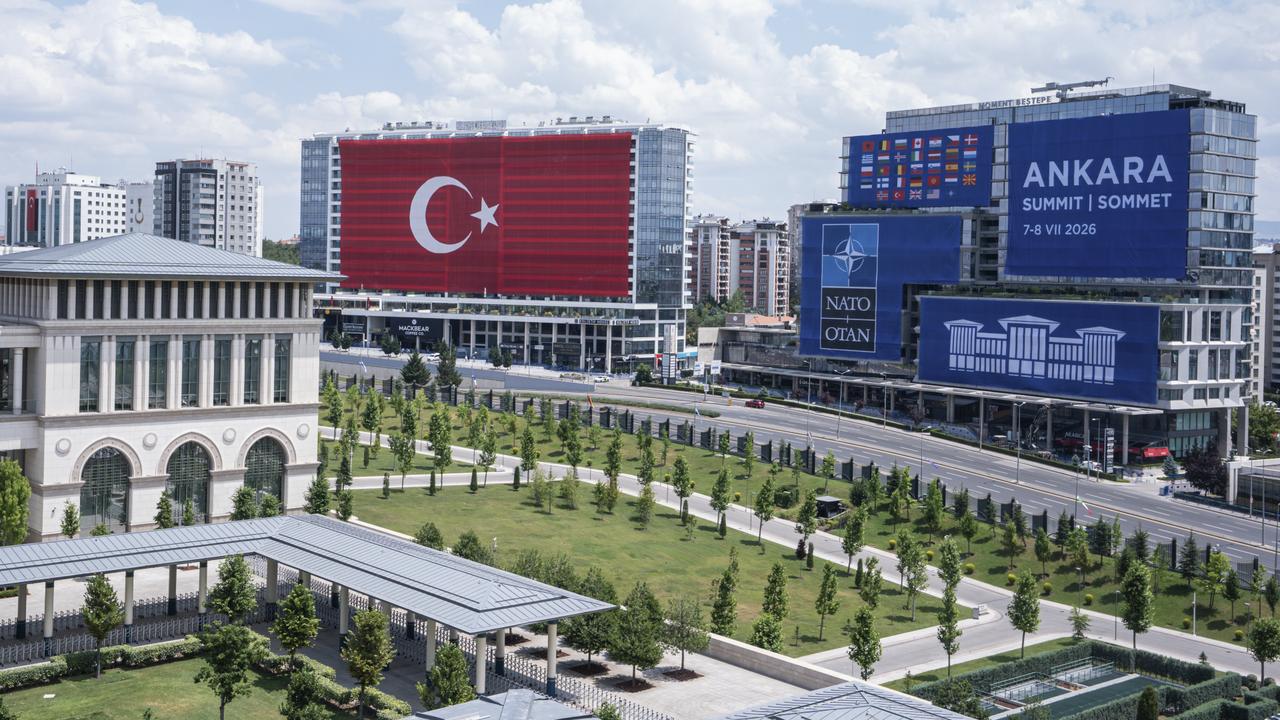
The NATO Summit in Ankara takes place at a time of profound transformation in the global security environment.
The war in Ukraine, instability in the Middle East, rising great-power competition, and rapid military-technological developments are reshaping the foundations of the Euro-Atlantic security system.
In this context, the summit is not merely a diplomatic gathering but a reflection of how the Alliance is adapting to a world in transition.
TURKEY’S STRATEGIC ROLE WITHIN NATO
Turkey occupies one of the most unique geopolitical positions in the Alliance, sitting at the crossroads of Europe, the Caucasus, the Middle East, and the Black Sea region.
Its control over the Bosporus and Dardanelles straits gives it significant strategic leverage over maritime access to the Black Sea, a factor that has become especially important in the context of the war in Ukraine.
Beyond geography, Turkey has developed a rapidly expanding defense industry, with growing capabilities in unmanned aerial systems, missile technology, naval platforms, and advanced defense manufacturing.
This industrial capacity increasingly positions Turkey as a relevant defense producer within NATO’s evolving security framework.
At the same time, Ankara plays a complex diplomatic role, maintaining involvement in multiple regional crises and acting as an intermediary in various geopolitical negotiations.
THE EVOLVING LOGIC OF COLLECTIVE DEFENSE
Modern security threats extend far beyond traditional military confrontation. Cyberattacks, hybrid warfare, disinformation campaigns, energy security risks, and critical infrastructure vulnerabilities have become central elements of NATO’s strategic agenda.
As a result, the Alliance is gradually broadening its concept of defense to include:
Cybersecurity and digital resilience
Defense industrial production capacity
Military mobility and logistics
Energy security and supply chain stability
Protection of critical infrastructure
This shift reflects NATO’s transformation from a purely military alliance into a more comprehensive security system.
THE US–EUROPE STRATEGIC BALANCE
A key structural dynamic within NATO remains the relationship between the United States and its European allies.
In recent years, there has been a gradual redistribution of security responsibilities, driven by shifting US strategic priorities, particularly the increasing focus on the Indo-Pacific region and competition with China.
As a result, European allies face growing pressure to:
Increase defense spending
Strengthen domestic military production
Improve strategic autonomy in selected areas
Enhance coordination in defense planning
This does not signal the weakening of NATO, but rather its gradual internal rebalancing.
THE BLACK SEA AND THE BALKANS IN THE SECURITY ARCHITECTURE
The Black Sea and Balkan regions remain strategically sensitive areas within the broader Euro-Atlantic security framework.
Their importance is linked to:
Energy transit routes
Transport and logistics corridors
Regional political stability
Military mobility and access routes
Instability in these regions can have direct implications for broader European security, making them integral rather than peripheral to NATO’s strategic calculations.
MACEDONIA’S STRATEGIC POSITION
Macedonia occupies a significant position in the Balkan corridor, connecting Central Europe with the Aegean and Adriatic regions.
This geographic location gives the country logistical and strategic relevance in regional connectivity and transport infrastructure networks.
As a NATO member, Macedonia benefits from collective defense guarantees, which provide a framework of security stability. However, long-term economic outcomes are not determined solely by security arrangements.
Experience from multiple NATO member states shows that economic development depends on a combination of factors, including:
Rule of law and institutional stability
Infrastructure development
Predictable economic policies
Administrative efficiency
Human capital and education systems
Security provides a foundation, but it is institutional performance that determines economic outcomes.
DEFENSE INDUSTRY AS A NEW STRATEGIC PILLAR
One of the most significant developments within NATO is the increasing importance of defense industrial capacity.
The war in Ukraine has highlighted the importance of sustained production capabilities alongside military readiness.
Key emerging priorities include:
Joint production programs among allies
Increased ammunition and equipment manufacturing
Integration of advanced technologies such as AI and autonomous systems
Strengthening supply chain resilience
This reflects a broader shift toward a more industrially integrated security architecture.
CONCLUSION: AN ALLIANCE IN TRANSITION
The Ankara Summit reflects a period of strategic transition for NATO.
The Alliance is adapting to a more fragmented and uncertain global environment, where traditional security assumptions are being challenged.
Turkey’s growing strategic and industrial importance, the evolving US–Europe balance, and the increasing complexity of global threats all contribute to a changing security landscape.
For countries like Macedonia, the key challenge lies in combining security integration with institutional and economic development, ensuring that geopolitical stability translates into long-term national resilience.
