

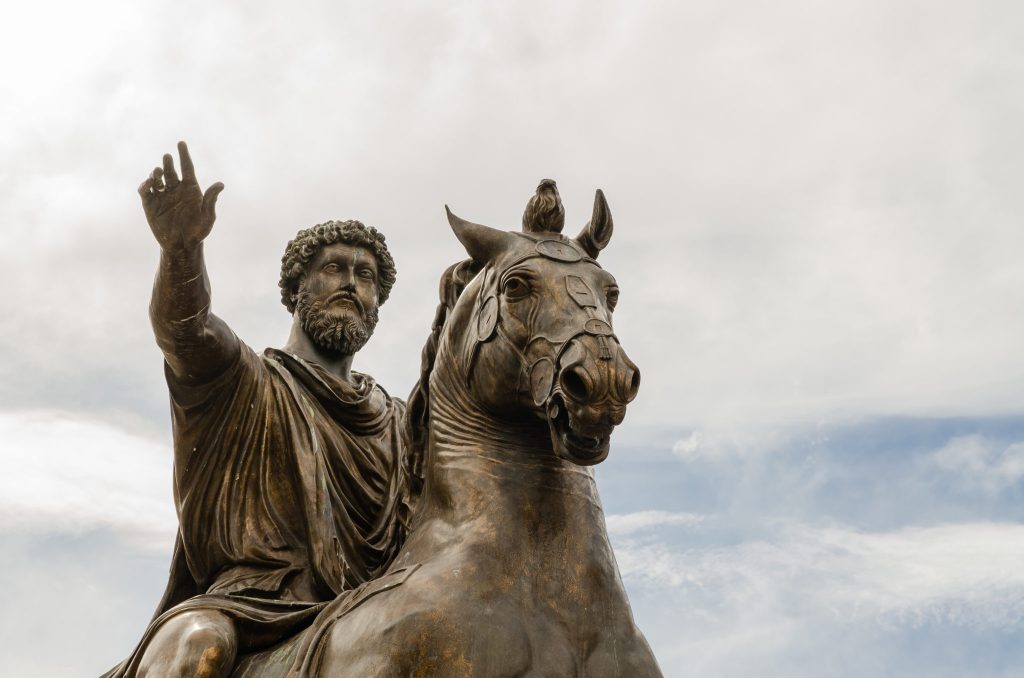
“It is not what a man says that matters, but what he does.”
Marcus Aurelius
By: Slobodan Tomic

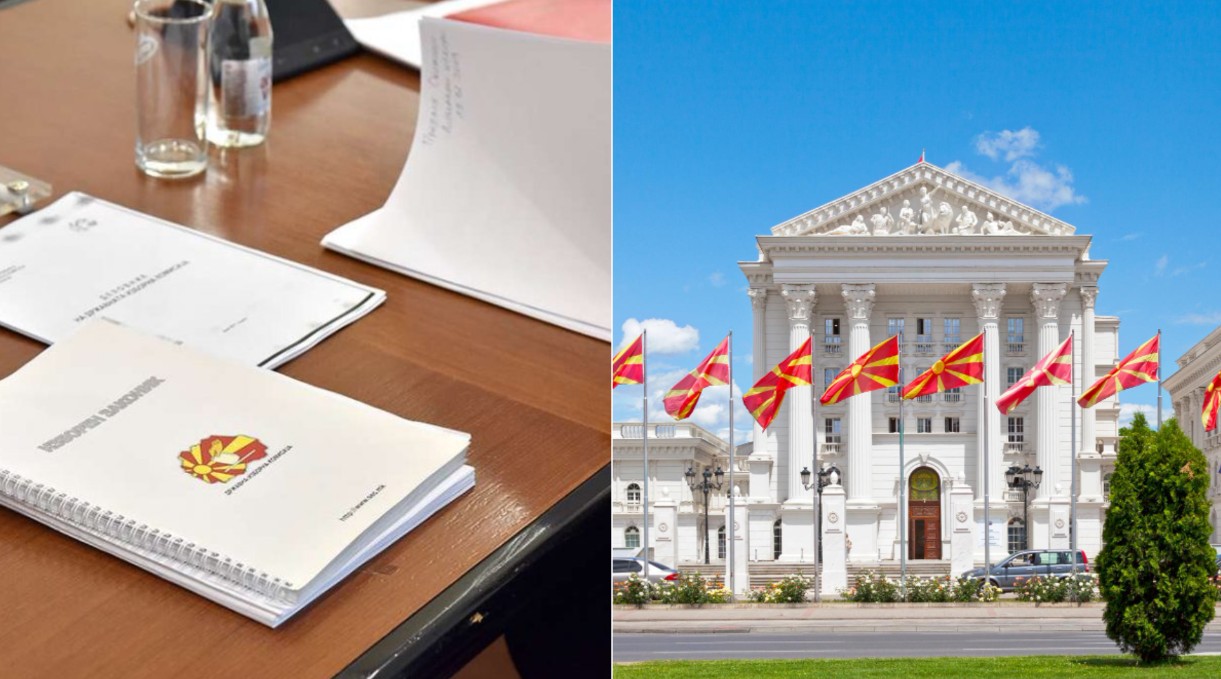
As a journalist and political analyst who has followed the country’s political developments for decades, I have closely observed the reactions of both citizens and political actors following the government reconstruction.
At a time when parts of the political opposition are attempting to create an atmosphere of uncertainty and scepticism, Prime Minister Hristijan Mickoski has delivered a clear message: this will not be a government of political comfort or routine administration, but a government that will be judged by measurable results, concrete projects and fulfilled commitments.
In this political vision, a ministerial position is not a privilege or a permanent political entitlement. It is a responsibility, a daily obligation before the citizens, the true sovereign of every democratic society.
The reconstruction of the government is not merely a personnel reshuffle. It represents an attempt to introduce a new institutional momentum, bring fresh energy into the executive branch and strengthen the capacity to implement reforms and strategic priorities.
POLITICAL THEATRE AND THE OPPOSITION’S CONTRADICTIONS
Against this approach, the opposition led by SDSM, DUI and the European Front responded with strong political criticism during the parliamentary debate, but according to the government’s assessment, without offering a convincing alternative vision.
The decision to leave the parliamentary chamber and the attempts to raise political tensions were presented by government supporters as a strategy aimed at shifting attention away from the essential questions: reforms, economic development, institutional efficiency and the future direction of the country.
The debate once again highlighted the issue of political double standards.
The government pointed out that several figures who are today criticised by SDSM and DUI were previously political partners of those same parties. What was not considered problematic in the past has now become the subject of political attacks.
These contradictions raise a broader question about the difference between principled politics and short-term political calculations.
THE ELECTORAL CODE AND THE TEST OF POLITICAL CONSISTENCY
One of the most significant issues during the parliamentary debate was the discussion on electoral reform and the proposal for a single electoral constituency.
For years, this idea has been part of the political agenda, especially promoted by Levica as one of its central demands.
When the possibility emerged for this issue to enter a formal institutional process, expectations were that political actors would demonstrate consistency and commitment.
Instead, the debate was followed by additional conditions, political calculations and new disagreements.
This raises a fundamental question: are certain political ideas genuine commitments for democratic reform, or are they simply instruments for gaining political advantage?
In a democracy, every party has the right to change its position. But citizens also have the right to demand consistency from those seeking their trust.
A NEW TEAM, NEW ENERGY AND NEW EXPECTATIONS
With 69 votes in favour, without votes against and without abstentions, Parliament approved the government reconstruction.
The new ministers have received a clear mandate: to accelerate reforms, improve institutional performance and deliver tangible results in key areas.
The new government team includes:
Jeton Shasivari — Minister of Justice
Sasho Klekovski — Minister of Health
Borce Serafimovski — Minister of Agriculture
Ivan Stoilkoviќ — Minister of Local Self-Government
Gjoko Velkovski — Minister of Social Policy
Sedat Sulejmani — Minister of Tourism and Culture
Agon Ferati — Minister for Relations Between Communities
Erџan Demir — Minister without portfolio
Their challenges are significant: improving public services, strengthening institutions, advancing healthcare, supporting agriculture, developing tourism and culture, improving social protection and increasing the efficiency of local governance.
STATES ARE NOT BUILT WITH SLOGANS, BUT WITH RESULTS
In his address to Parliament, Prime Minister Hristijan Mickoski stressed that countries are not built overnight.
They are built through years of work, strategic vision, continuity and responsible decision-making.
History does not remember those who made the loudest promises. It remembers those who created lasting results.
Political mandates are temporary. Governments change. Oppositions rise and fall.
But the state remains.
That is why every political generation carries the responsibility to build stronger institutions, create better opportunities for citizens and leave behind a more stable future.
CONCLUSION: TIME WILL BE THE FINAL JUDGE
The government reconstruction represents a new political phase and an attempt to accelerate the reform process.
Supporters describe it as a necessary reset and the beginning of a more dynamic period of governance.
Critics remain opposed and will continue to challenge the government’s policies.
But the final judgment will not come from political speeches, party statements or parliamentary performances.
It will come from citizens.
Because in the end, words disappear.
Results remain.
As Marcus Aurelius wrote:
“It is not what a man says that matters, but what he does.”
The coming period will show whether this reconstruction becomes a genuine turning point, and whether promises will be transformed into measurable achievements.
