

By Slobodan Tomić

Slobodan Tomić
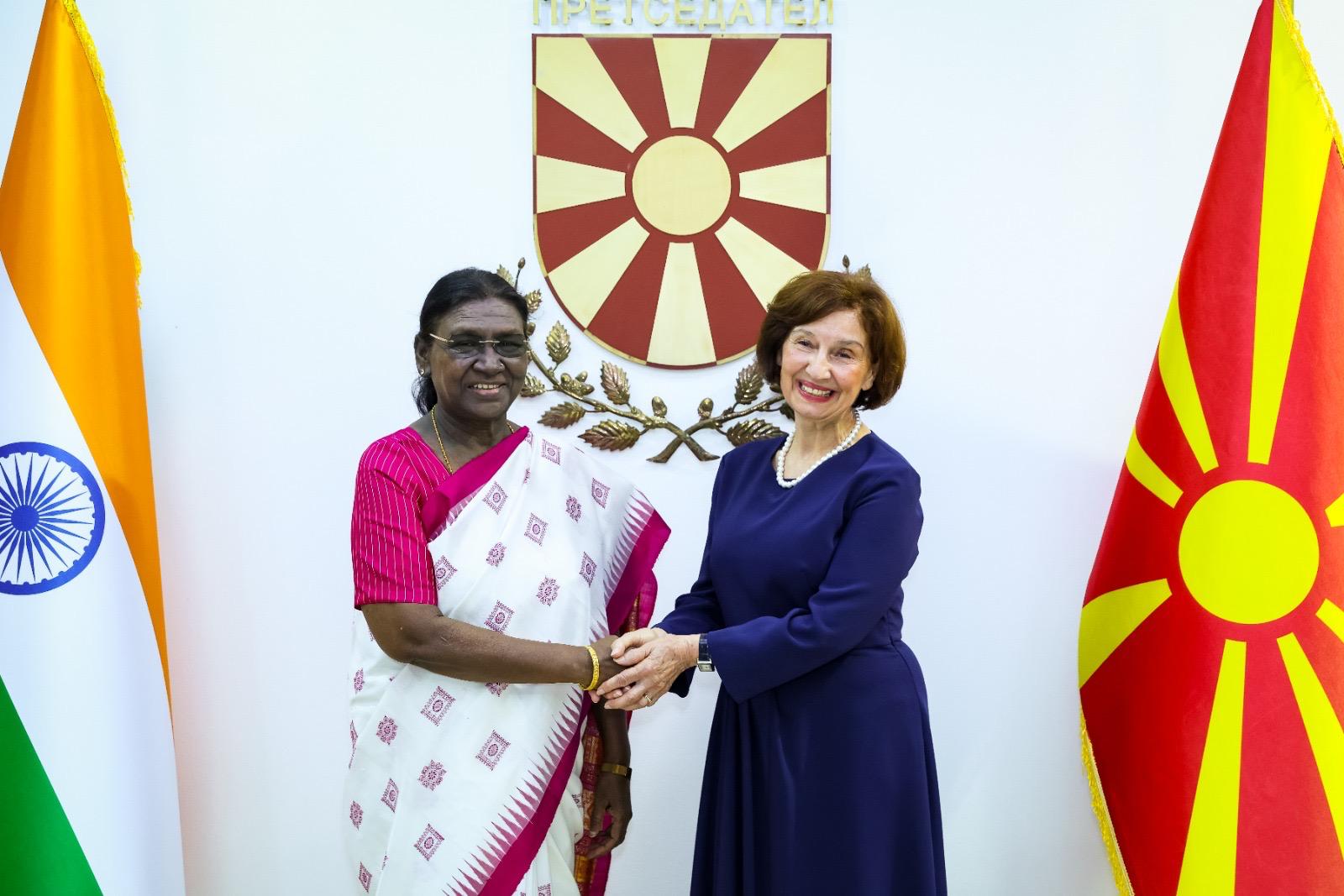
Indian President Droupadi Murmu’s official visit to Macedonia is more than a diplomatic ceremony. It marks the first official visit by an Indian head of state since diplomatic relations were established, signaling a new phase in relations between two countries linked by centuries of history and growing strategic interests.
The symbolism is powerful. More than 2,300 years after Alexander the Great reached the Indian subcontinent, Macedonia and India are meeting again—not through conquest, but through diplomacy, trade, technology, and cultural cooperation. The legacy of Mother Teresa, born in Skopje and devoted to serving India, further strengthens this unique connection.
The visit comes as India emerges as one of the world’s fastest-growing economies, a global leader in information technology, pharmaceuticals, digital innovation, and space exploration.
As New Delhi expands its international partnerships, Macedonia has an opportunity to position itself as a gateway for Indian businesses seeking access to European markets.
Both sides highlighted ambitions to significantly expand trade, encourage investment, and deepen cooperation in sectors such as automotive manufacturing, pharmaceuticals, information technology, education, and innovation. Plans for a resident Indian embassy in Skopje underscore India’s long-term interest in strengthening its presence in the country.
For Macedonia, the significance of the visit goes beyond protocol. It reflects a broader foreign policy reality: while remaining committed to European integration, the country can also build strategic partnerships with rising global powers. In an increasingly multipolar world, economic diversification is becoming an essential part of national development.
The success of this historic visit, however, will ultimately be judged not by ceremonial speeches but by tangible results—new investments, stronger trade, technological partnerships, academic exchanges, and jobs.
History has opened the door. The challenge now is whether Macedonia can turn this diplomatic milestone into lasting economic and strategic gains.
