

“The purpose of politics is not power, but the common good.”
Aristotle
By Slobodan Tomić

There are moments in the history of every nation when one question rises above election results, opinion polls, and political calculations.
The question is not who will win the next election.
It is not which political party will secure more seats in parliament.
Nor is it who will become prime minister, president, or minister.
The most important question is this:
What kind of people lead the state?
History has long demonstrated that nations do not collapse only because of economic crises, wars, or natural disasters.
Far more often, they decline when politics loses its true purpose.
When the public interest is replaced by personal ambition.
When vision gives way to short-term political calculations.
When responsibility is replaced by excuses.
When public office becomes a privilege instead of a duty.
That is when the most dangerous crisis begins,the crisis of trust.
Once citizens lose confidence in their institutions, the state begins to lose its strength, regardless of how many laws, strategies, or political declarations it adopts.
That is why today, more than ever, Macedonia should not merely ask who will govern its institutions.
It should ask what kind of leaders it is producing.
Anyone can become a politician by winning an election.
Only those who leave behind a stronger country than the one they inherited become statesmen.
That is the difference between politics that lasts one electoral term and statesmanship that endures in history.
Great nations do not remember only election winners.
They remember those who built institutions, inspired trust, offered vision, and left hope for future generations.
This is therefore not a column about one political party.
Nor is it about one politician.
It is a reflection on Macedonia.
On the leaders it deserves.
And on the country we want to leave to those who come after us.
GREAT NATIONS ARE NOT CREATED BY ACCIDENT — THEY ARE BUILT THROUGH VISION
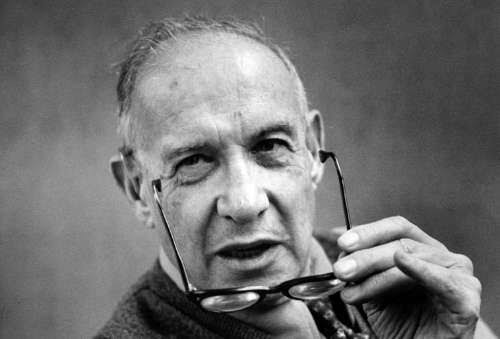
“The best way to predict the future is to create it.”
— Peter Drucker
In politics, as in life, miracles do not exist.
Vision does.
Leadership does.
The courage to look beyond the next election does.
History proves that no successful nation became strong by chance.
Germany did not rise after the Second World War because it was fortunate.
Singapore did not become an economic miracle because it possessed abundant natural resources.
South Korea did not become a technological powerhouse because it was naturally wealthy.
These nations succeeded because, at decisive moments, they were led by people who understood that politics must never become a prisoner of daily political calculations.
Konrad Adenauer once observed:
“We all live under the same sky, but we do not all have the same horizon.”
That single sentence captures the essence of statesmanship.
Politicians think about the next election.
Statesmen think about the next generation.
Politicians seek to win the next political battle.
Statesmen seek to secure the nation’s future.
For this reason, history measures great leaders not by the number of votes they received, but by the opportunities they created.
By the institutions they strengthened.
By the schools, hospitals, roads, universities, and economic prosperity they built.
The greatest legacy is never a monument bearing one’s name.
The greatest legacy is a stronger nation that continues to thrive long after its leaders have left office.
Macedonia faces precisely this historic challenge.
It must stop living from election to election.
It must begin thinking from generation to generation.
Strong nations do not build their future through revenge.
They build it through continuity.
The real question is therefore not who wins today’s political contest.
The real question is whether Macedonia is producing statesmen who will be remembered for leaving behind a stronger, more prosperous, and more just country than the one they inherited.
History always gives the same answer.
Nations with vision prevail.
Those consumed by short-term politics remain trapped within their own divisions.
The greatest battle of any nation is rarely against its neighbors.
Its greatest battle is against its own political short-sightedness.
LEADERS ARE MEASURED NOT BY THEIR PROMISES, BUT BY THEIR DEEDS
“What you do speaks so loudly that I cannot hear what you say.”
— Ralph Waldo
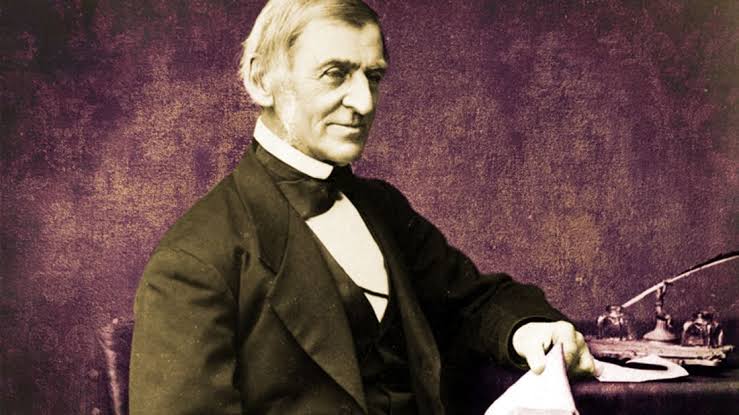
Emerson
Words are easy in politics.
Promises are even easier.
Results are the hardest part.
Every politician can deliver a speech.
Every politician can give interviews.
Every politician can offer hope during an election campaign.
Only a few can transform hope into lasting achievements.
Citizens ultimately judge leaders not by their rhetoric but by what remains after they leave office.
Did they strengthen institutions?
Did they reinforce the rule of law?
Did they create opportunities for young people to build their future at home?
Did they reduce poverty?
Did they leave behind more opportunities than they inherited?
History never remembers the number of press conferences a leader held.
It remembers the country they left behind.
Nelson Mandela once said:
“It always seems impossible until it is done.”
There are no impossible reforms.
Only insufficient courage to implement them.
Václav Havel warned that politics loses its purpose when it ceases to serve the truth.
Public trust is therefore never earned through propaganda.
It is earned through honesty.
Responsibility.
Consistency.
And the courage to admit mistakes and correct them.
True leaders are not afraid of criticism.
They welcome it as an opportunity to improve.
Politics must never become a competition over who delivers the finest speech.
It must become a competition over who serves the public interest most effectively.
Leadership is not defined by holding power.
Leadership is defined by using power for the good of the nation rather than for personal advantage.
Only then does politics become public service.
INSTITUTIONS MUST ALWAYS BE STRONGER THAN INDIVIDUALS
“To prevent the abuse of power, power must be checked by power.”
— Montesquieu

No nation has become great because of one powerful individual.
Great nations become great because they build strong institutions.
Leaders come and go.
Governments change.
Political parties win and lose.
Institutions must endure.
That is the true measure of democratic maturity.
Not who governs today.
But whether the state functions equally well after governments change.
The real strength of a nation is found not inside political headquarters or government offices.
It lies in independent institutions, the rule of law, and equality before the law.
More than two thousand years ago, Cicero wrote:
“We are servants of the laws so that we may be free.”
Those words remain the foundation of every modern democracy.
When laws apply equally to everyone, citizens develop trust.
When justice treats the powerful and the ordinary citizen alike, the nation grows stronger.
When institutions operate professionally, independently, and without political interference, democracy acquires real meaning.
Statesmen are never afraid of strong institutions.
They build them.
Because they understand that while their own mandate is temporary, institutions must remain strong for generations.
History does not celebrate those who concentrated power.
It remembers those who created systems capable of functioning without them.
PEOPLE DO NOT EXPECT PERFECT LEADERS — THEY EXPECT HONEST AND RESPONSIBLE ONES
“Nearly all men can stand adversity, but if you want to test a man’s character, give him power.”
— Abraham Lincoln
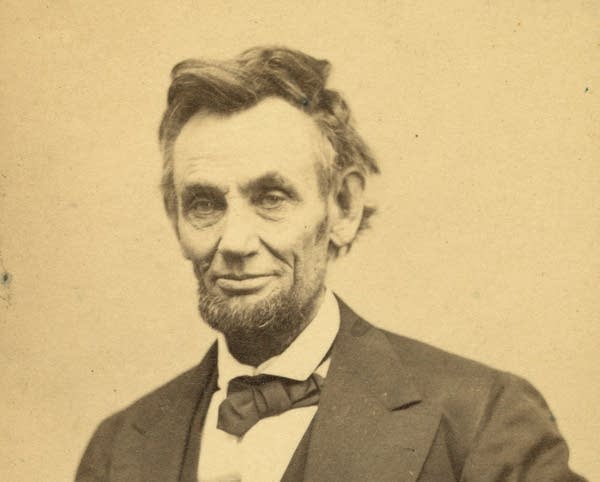
Power has always been the greatest test of character.
Not because it changes people.
But because it reveals who they truly are.
Confucius wisely observed:
“The virtue of the leader is like the wind; the virtue of the people is like the grass. When the wind blows, the grass bends.”
Leaders shape not only public policy.
They shape political culture itself.
Their example determines what society considers acceptable.
Marcus Aurelius reminded humanity:
“What is not good for the hive is not good for the bee.”
No personal ambition should ever outweigh the national interest.
No partisan calculation should ever become more important than the country’s future.
No office is more valuable than the trust citizens place in those who serve them.
Macedonia does not require perfect leaders.
Perfect leaders do not exist.
But honest, responsible, and courageous leaders do.
Leadership is not measured by avoiding mistakes.
It is measured by the willingness to acknowledge them, learn from them, and remain faithful to the public trust.
HISTORY REMEMBERS BUILDERS, NOT RULERS
“The best way to predict the future is to create it.”
— Peter Drucker
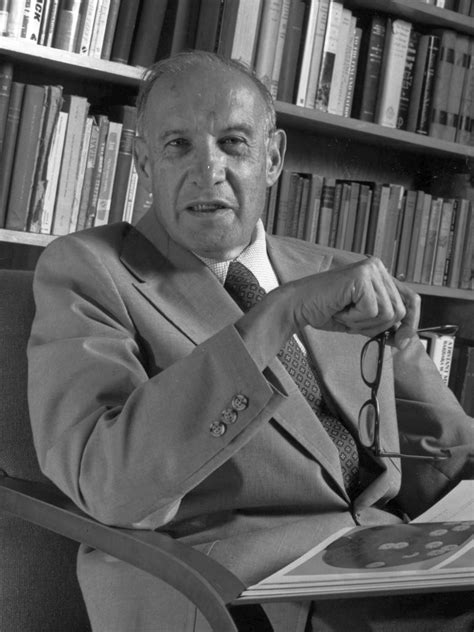
History is the strictest judge.
It does not vote.
It does not applaud speeches.
It patiently waits.
Then it asks only one question:
What did you leave behind?
Not how long you remained in office.
Not how many speeches you delivered.
Not how many political opponents you defeated.
But what kind of nation you built.
Did young people gain a reason to stay?
Did families enjoy greater security?
Did institutions become stronger?
Did justice become more accessible?
Did the country earn greater dignity and respect in the international community?
That is how history distinguishes politicians from statesmen.
Politicians think about the next election.
Statesmen think about the next generation.
John F. Kennedy’s timeless appeal remains just as relevant today:
“Ask not what your country can do for you,ask what you can do for your country.”
This message is directed not only to citizens.
It is directed above all to those entrusted with governing the nation.
Public office must never become an end in itself.
It is a means to build better education.
Better healthcare.
A stronger economy.
Greater justice.
More opportunities.
More dignity.
Throughout its history, Macedonia has endured many trials.
Every generation has inherited the same responsibility:
To leave the country at least a little better than it found it.
That is true patriotism.
Not loud slogans.
Not daily political battles.
But quiet, honest, and persistent service to the common good.
A nation’s greatness is not defined only by its history, its flag, or its anthem.
It is defined by the people who build its future every single day with integrity, knowledge, responsibility, and vision.
Today, Macedonia needs more wisdom than anger.
More vision than division.
More action than rhetoric.
More statesmanship than ordinary politics.
Because the greatest victory in politics is not defeating your opponents.
The greatest victory is creating a country in which even your political opponents wish to live, work, and raise their children.
That is the only victory that endures.
That is the only victory worthy of history.
When this chapter of Macedonia’s political history is finally written, what will matter most will not be who won the most mandates.
What will matter is who left the deepest positive legacy.
Who strengthened institutions.
Who restored public trust.
Who proved that politics can once again become honor, responsibility, and public service.
Every office is temporary.
Every mandate comes to an end.
But deeds remain.
And history recognizes true statesmen by their deeds alone.
“The greatness of a person is measured not by the power they possess, but by the good they leave behind.”
That is not merely a lesson for politicians.
It is a lesson for all of us.
Because the future of Macedonia will never be created by one individual alone.
It will be created by all of us—through work, integrity, responsibility, and an unwavering commitment to the common good.
Only then will politics truly become statesmanship.
